When you design a lesson plan you have a grandiose idea like “students will execute conversions using Avogadro’s number to calculate grams of an element given the moles” and then you get into the classroom and you realize it’s more like a war zone and surviving might be the number one goal. High school students don’t really care about moles or avocados or Avogadro’s number; they mostly care about their next Snapchat or what they are doing that weekend. And teaching dog training class is similar. How do you get buy in to your awesome lesson plan when some handlers can’t even get their dogs to take treats readily or pay attention to them for more than three seconds?
So sometimes the best thing to do is to change the lesson! From conversions to wiping front to back and from luring heel position to working on eating cookies; from grand ideas to life goals!!
And approach everything with compassion, because you never know where your student is coming from mentally or physically or whatever. One of the schools I taught in had a very transient population, you never knew if you would see your student the following day; so learning the periodic table became a moot point and how you treated others was a common discussion. Dog training classes are usually attended by people who will be back the next week but even then you can’t say for certain. I’ve had students whose dogs have had career ending seizures, life threatening complications and other serious problems that prohibit them from continuing to train. Of course, it’s important to have a lesson plan that shows progression and moves students and their dogs forward towards their goal, but it is also important to be focused on the NOW. How is that student and their dog doing in this moment? And the next? The entire lesson may have to be scrapped if they are struggling and need extra help. It shows flexibility and caring to diverge from your lesson plan to discuss something that is important in that moment. I guarantee my high school students can’t remember how to do conversions, but they definitely remember our discussions about respecting others even when you don’t agree with them.
You probably won’t have to have personal hygiene conversations in your dog training class (I hope?) but you might have to stop the lesson to help an over aroused dog, or a dog that is so environmentally stimulated it can’t respond to its handler. And helping that person and their dog in a compassionate way will let them know you care and keep them coming back. It’s OK, that they couldn’t shape a retrieve that day, they learned how to lower their dog’s arousal and you were nice about it. They might be on the 5-year plan towards that shaped retrieve anyway.
Teaching is a gift. Teaching is super hard. Teaching is not for the faint of heart. All teachers make a difference in their students’ lives, and it probably isn’t what you think it is. And every once in a while, you will get some feedback from one of your students about how you helped them and it will reinforce the idea that the lesson isn’t really what you are teaching.
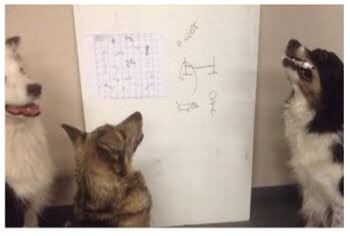
Pickle teaches Bob and Hunda a lesson.

 blogility